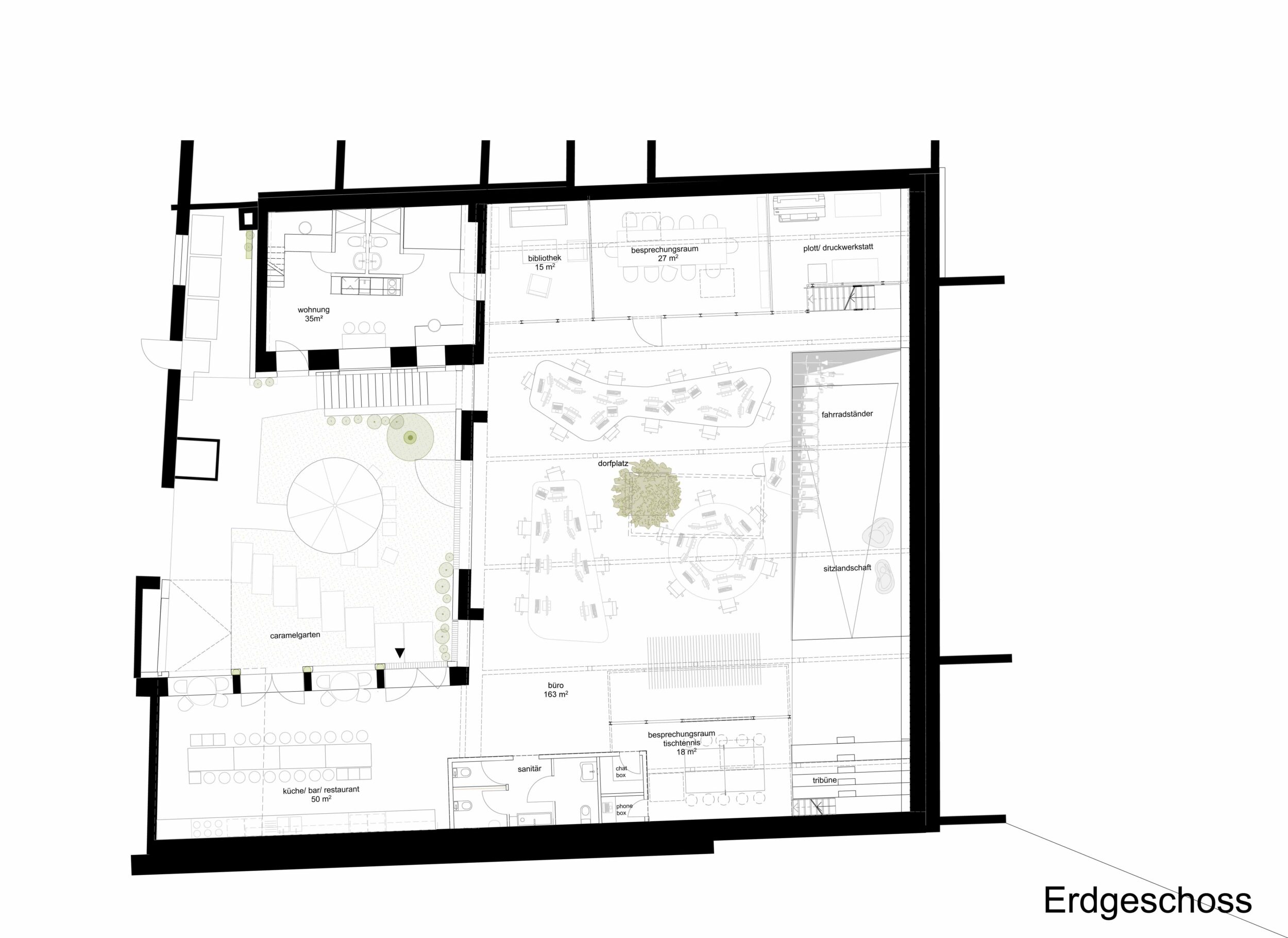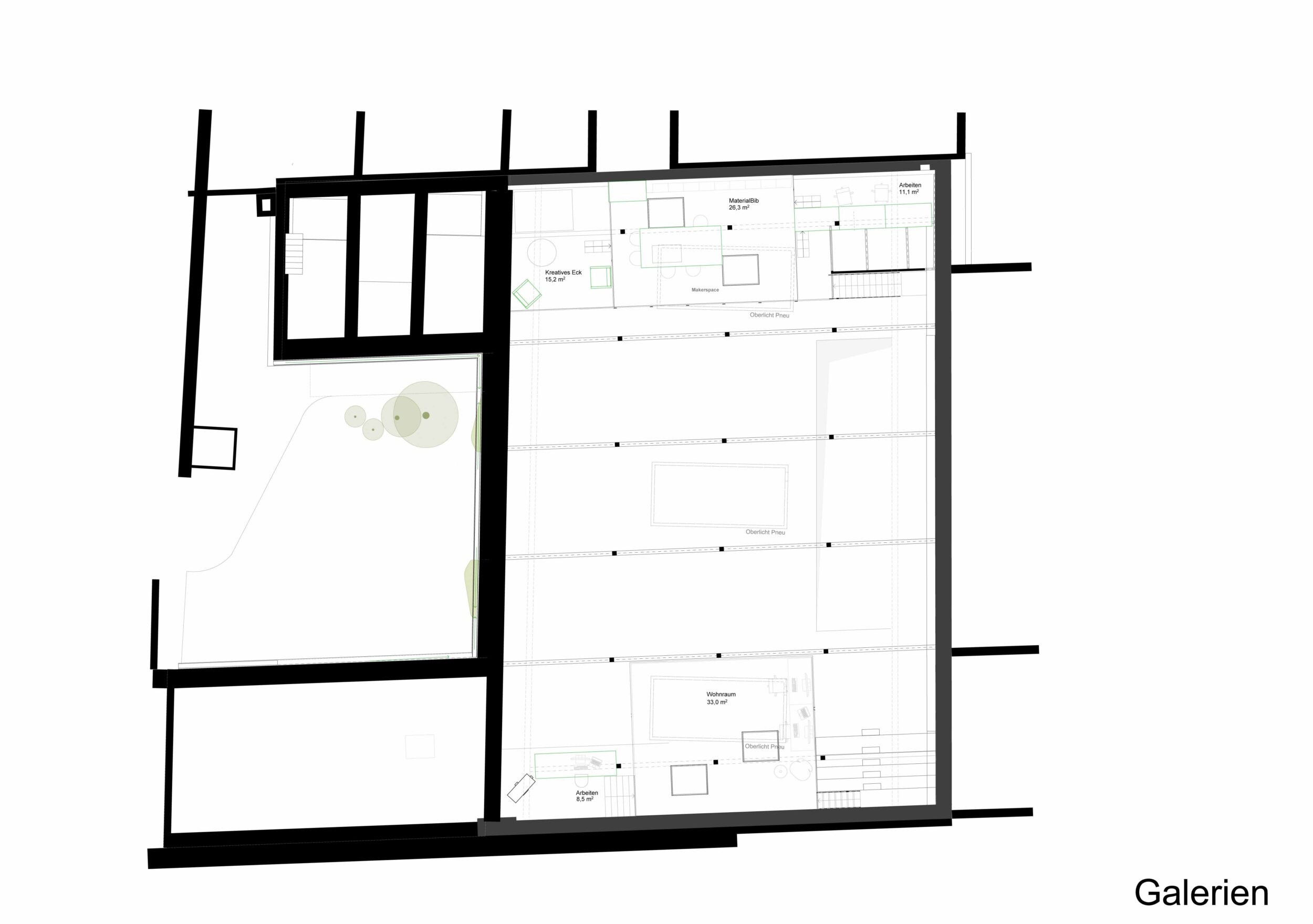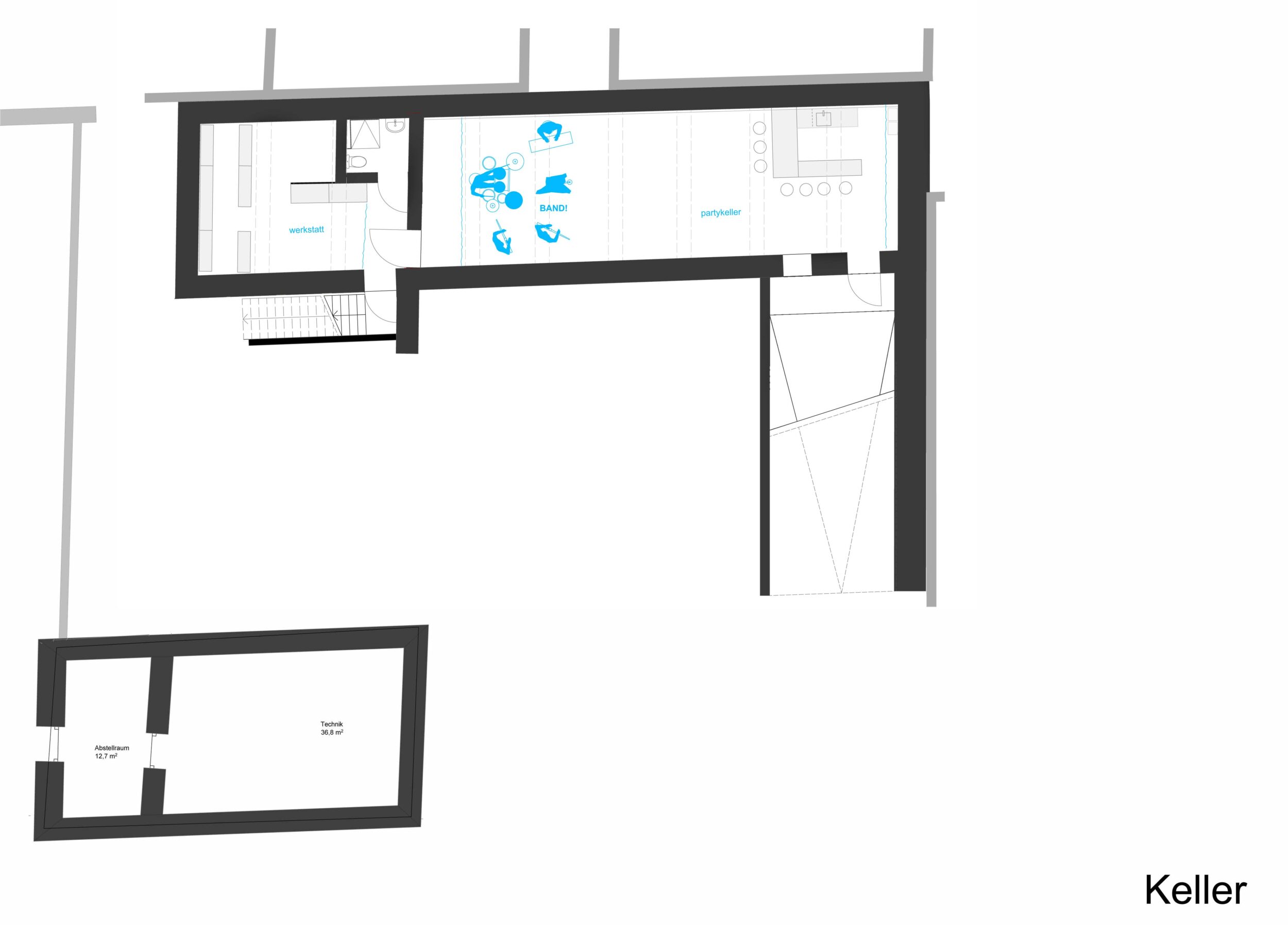
The space and its history
What does re-use mean? How does sustainable building really work? What happens when you work with existing buildings, with spaces that are awkward, special or simply unusual?
What happens when you try to work only with materials that already exist – used or left over?
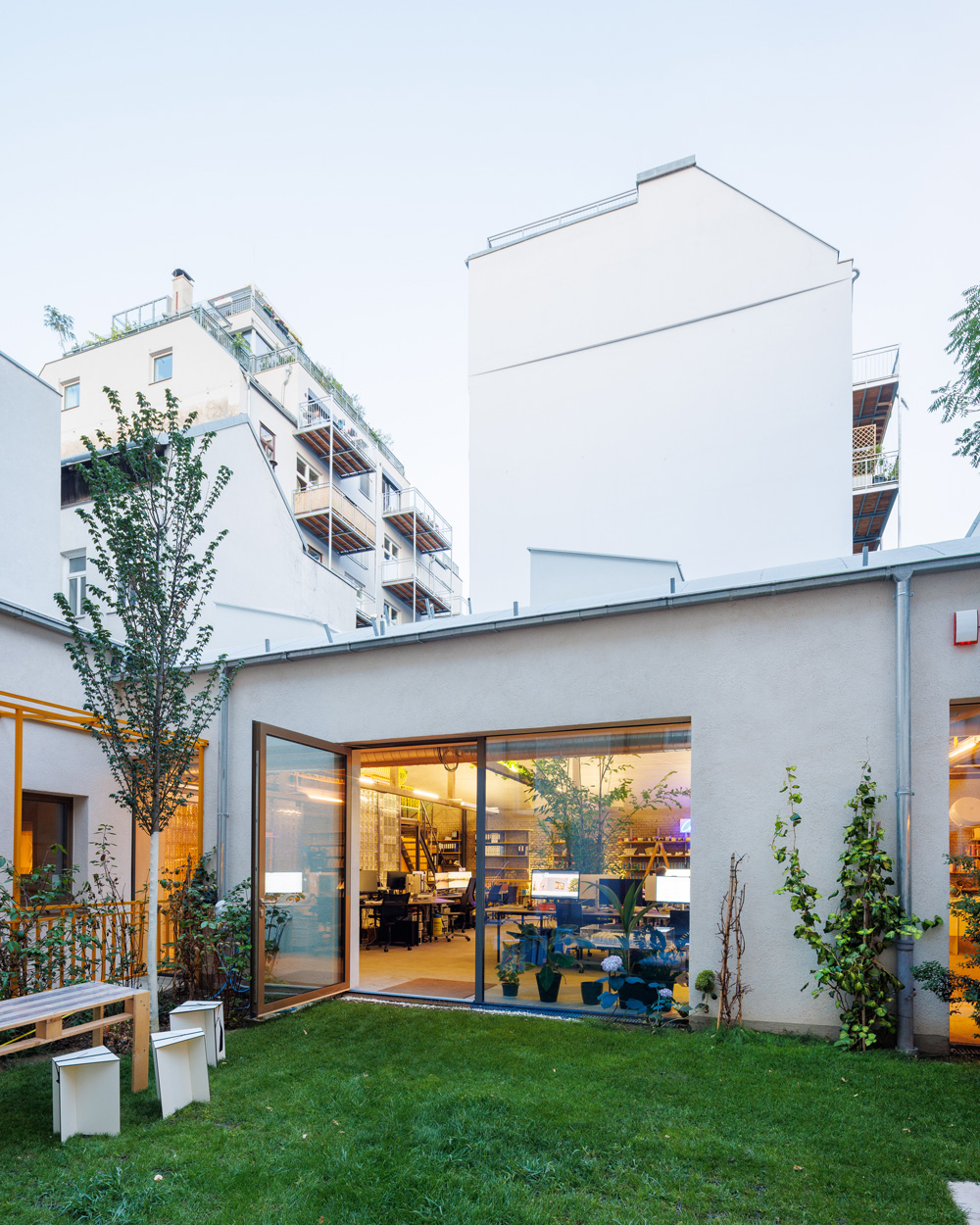
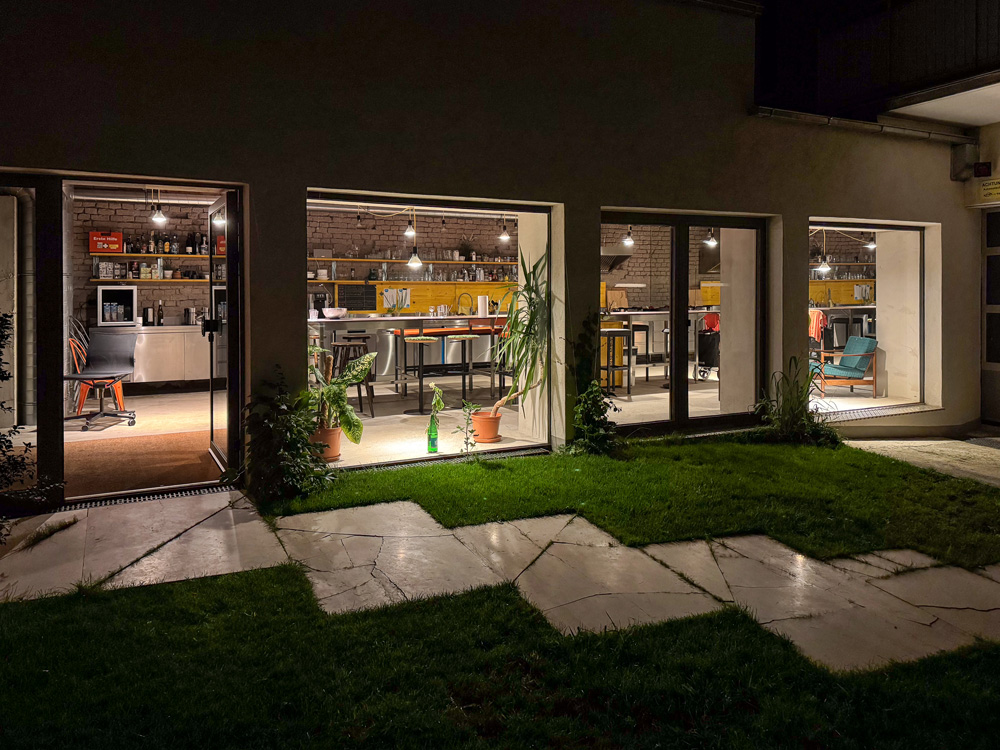
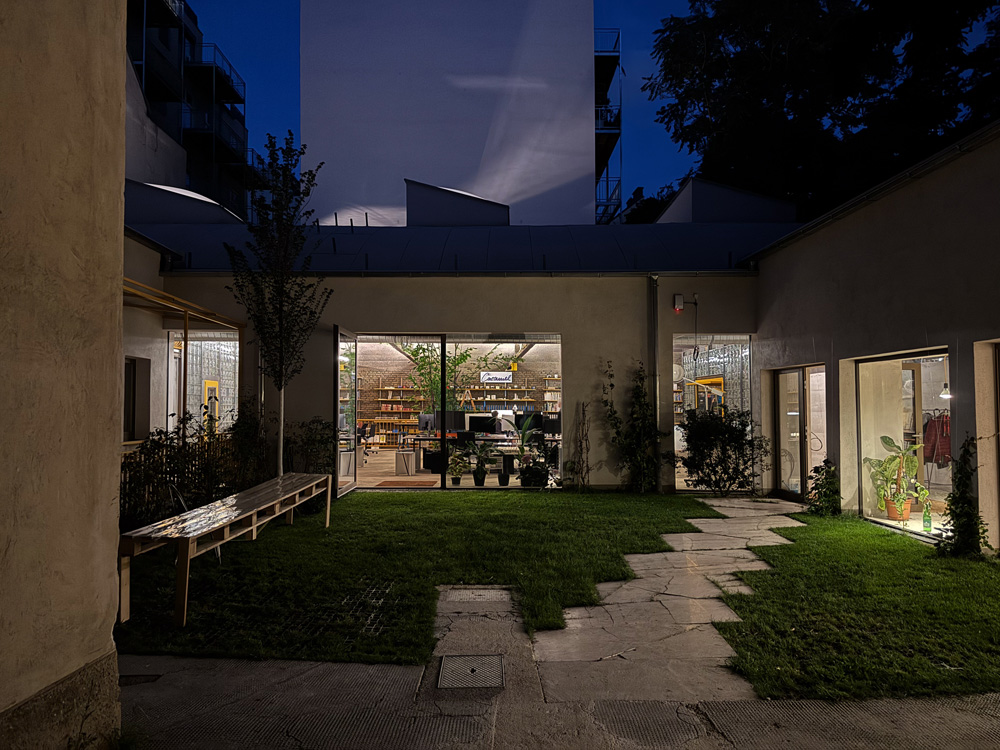
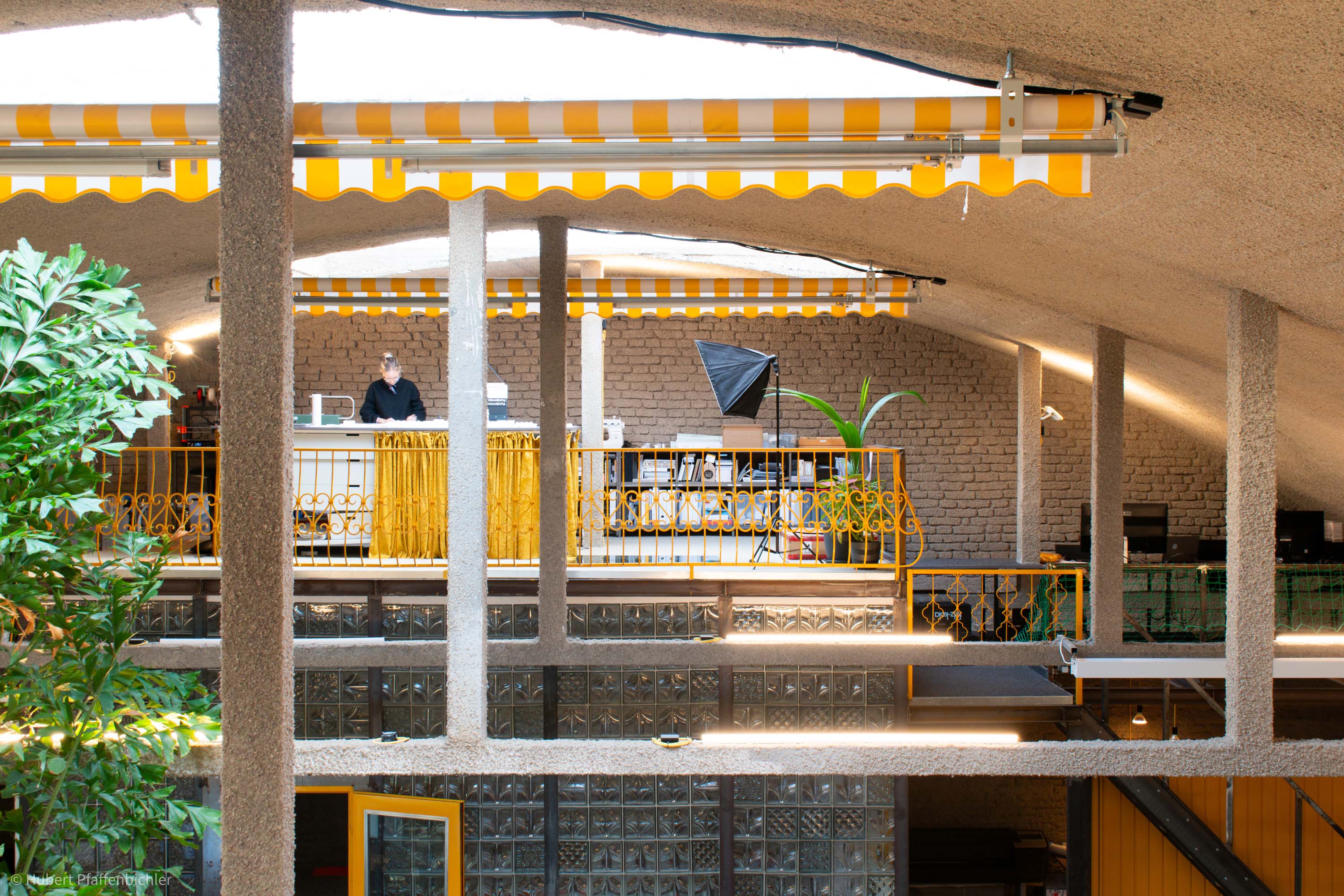
It starts with a back courtyard. Inconspicuous, quietly tucked away. A hall, once a garage and workshop, before that a carriage store and stables. For generations this building served transport in all kinds of forms – always in the background, never in the spotlight.
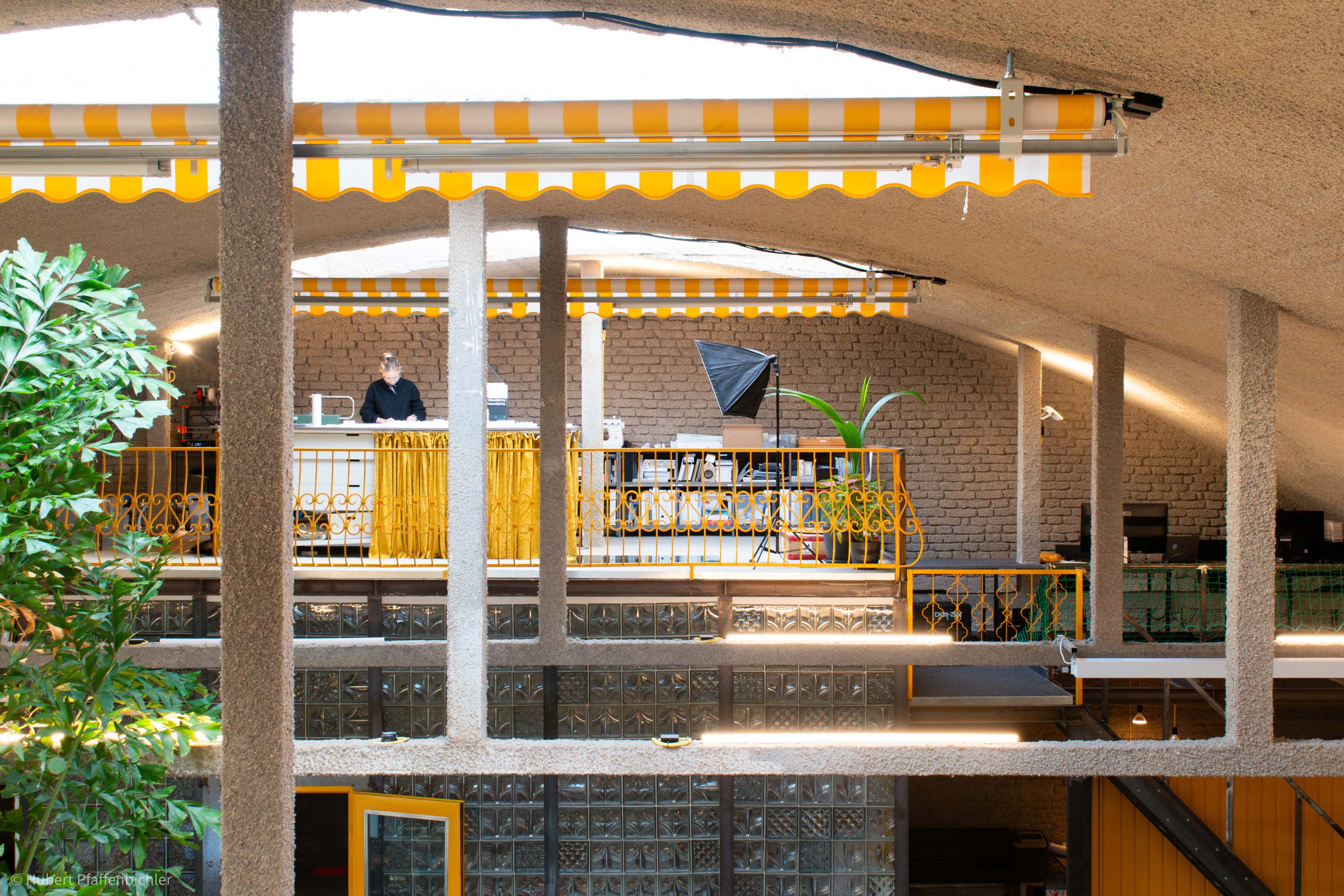
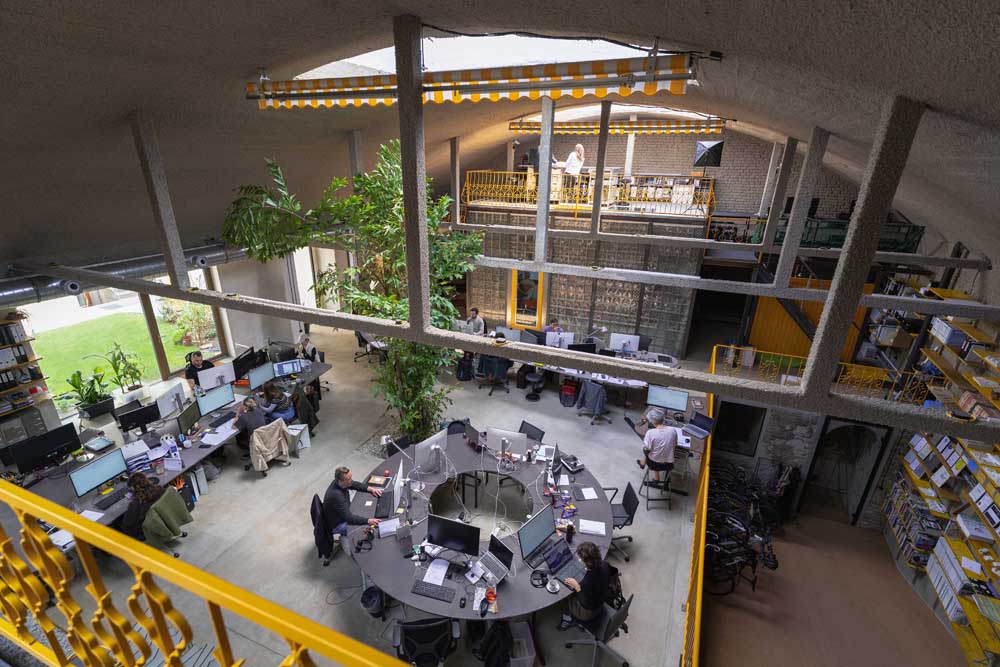
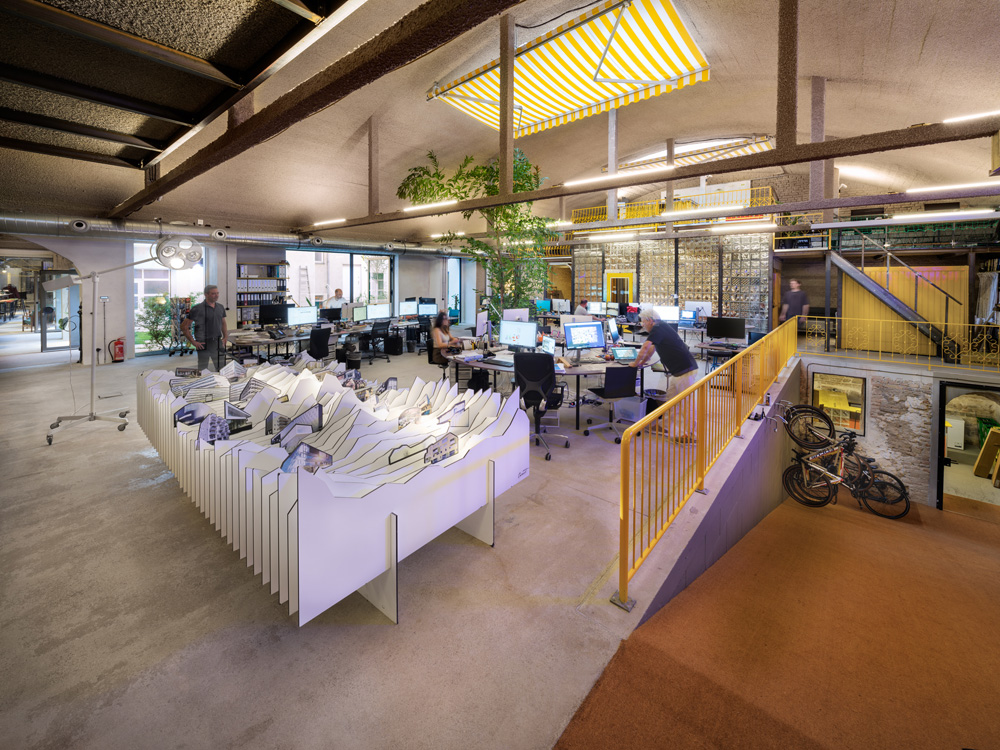
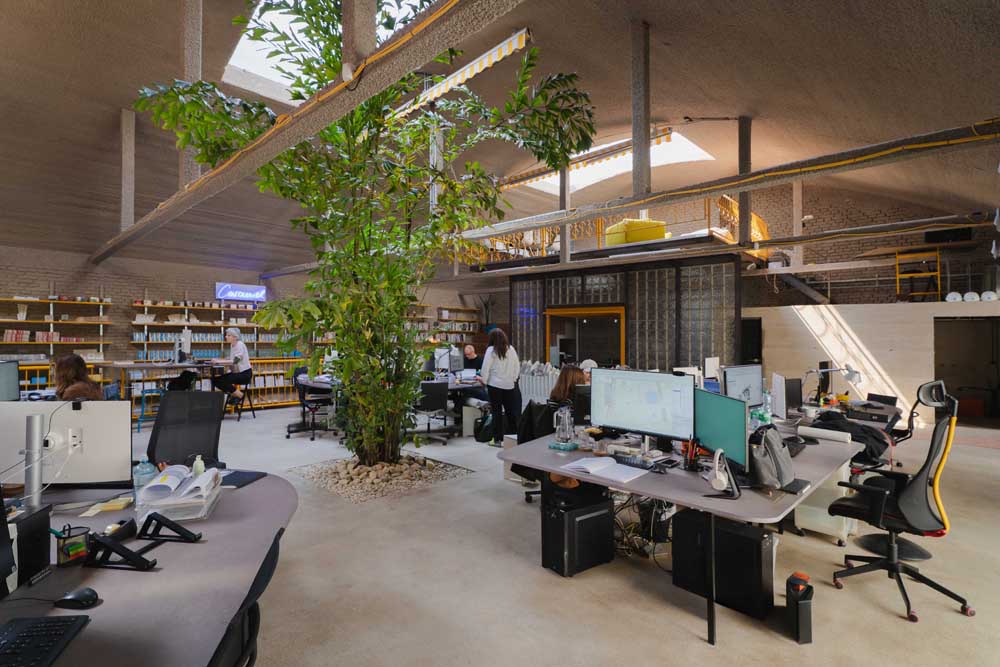
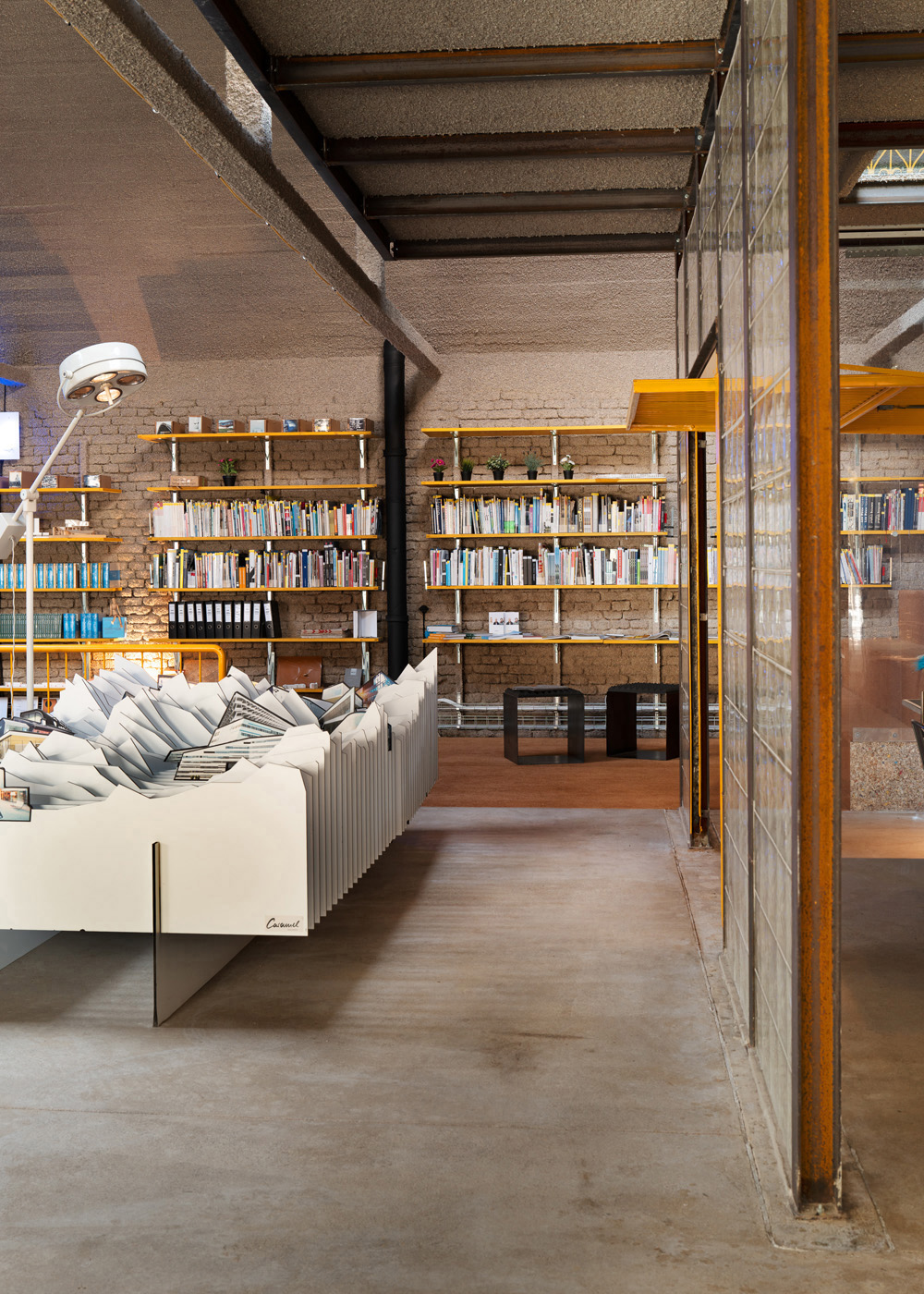
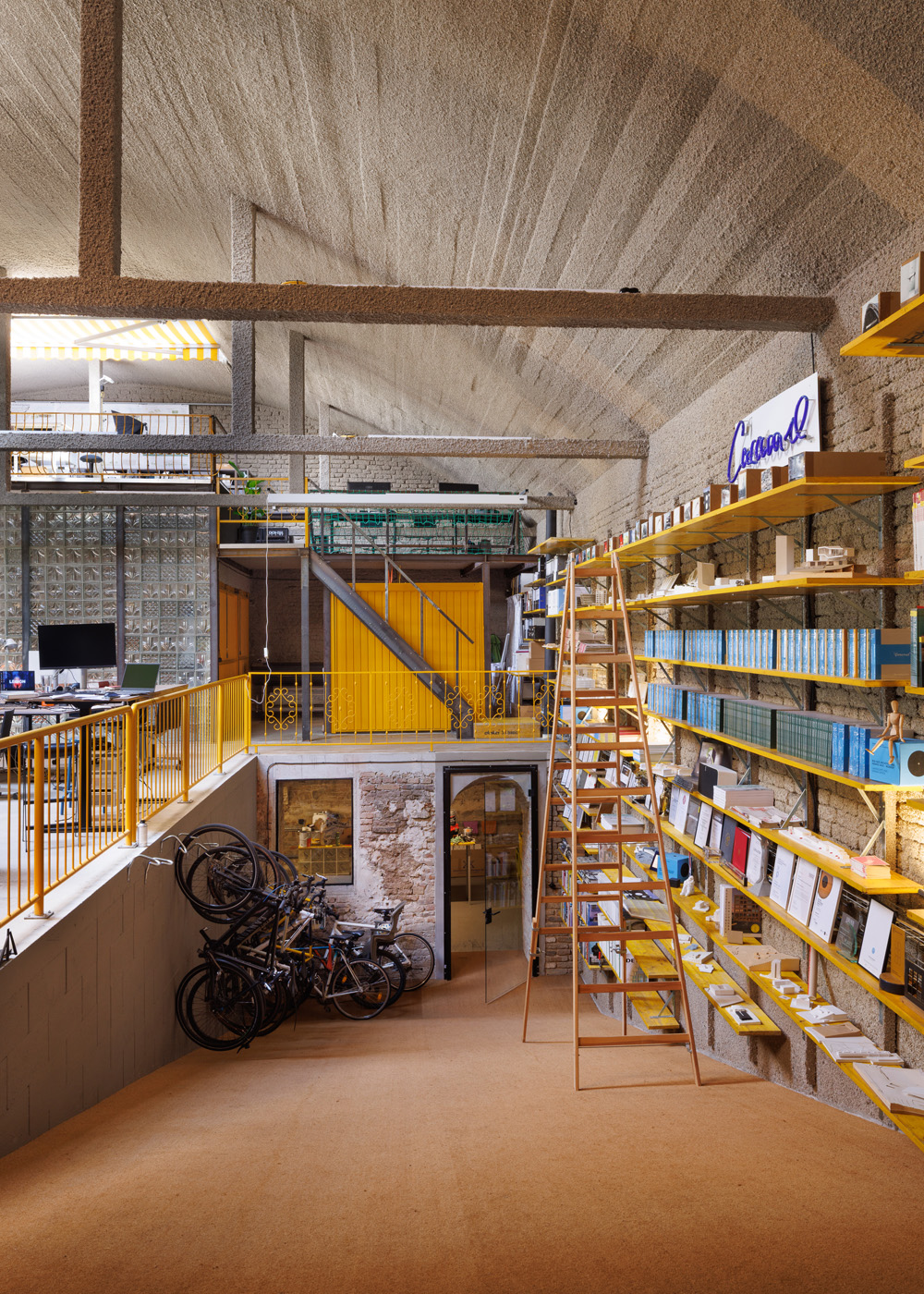
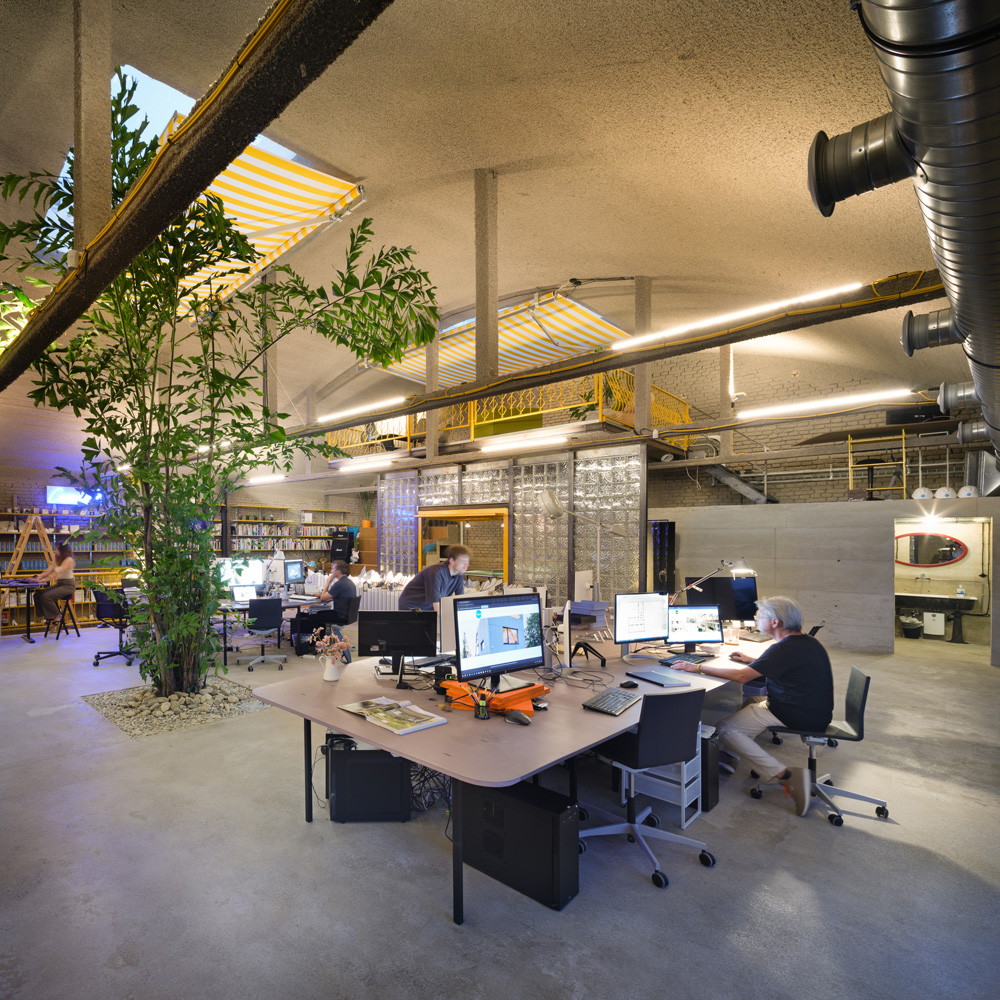
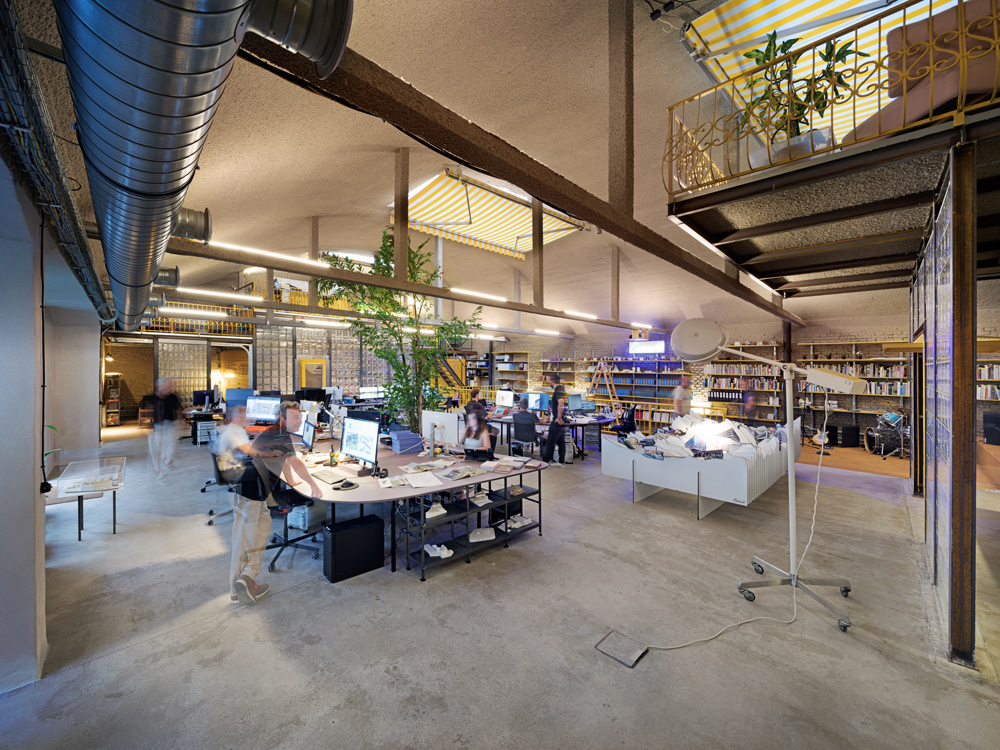
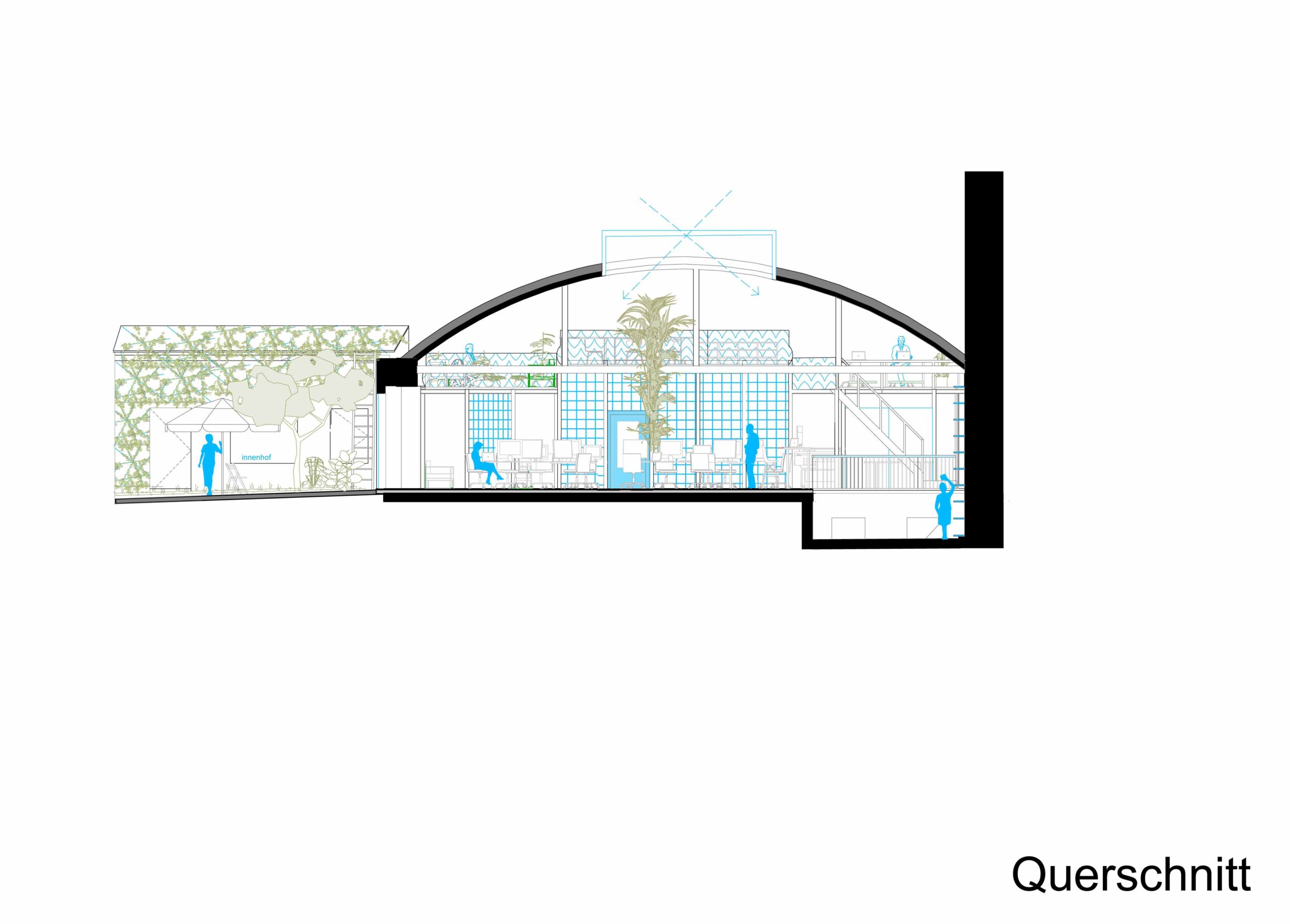
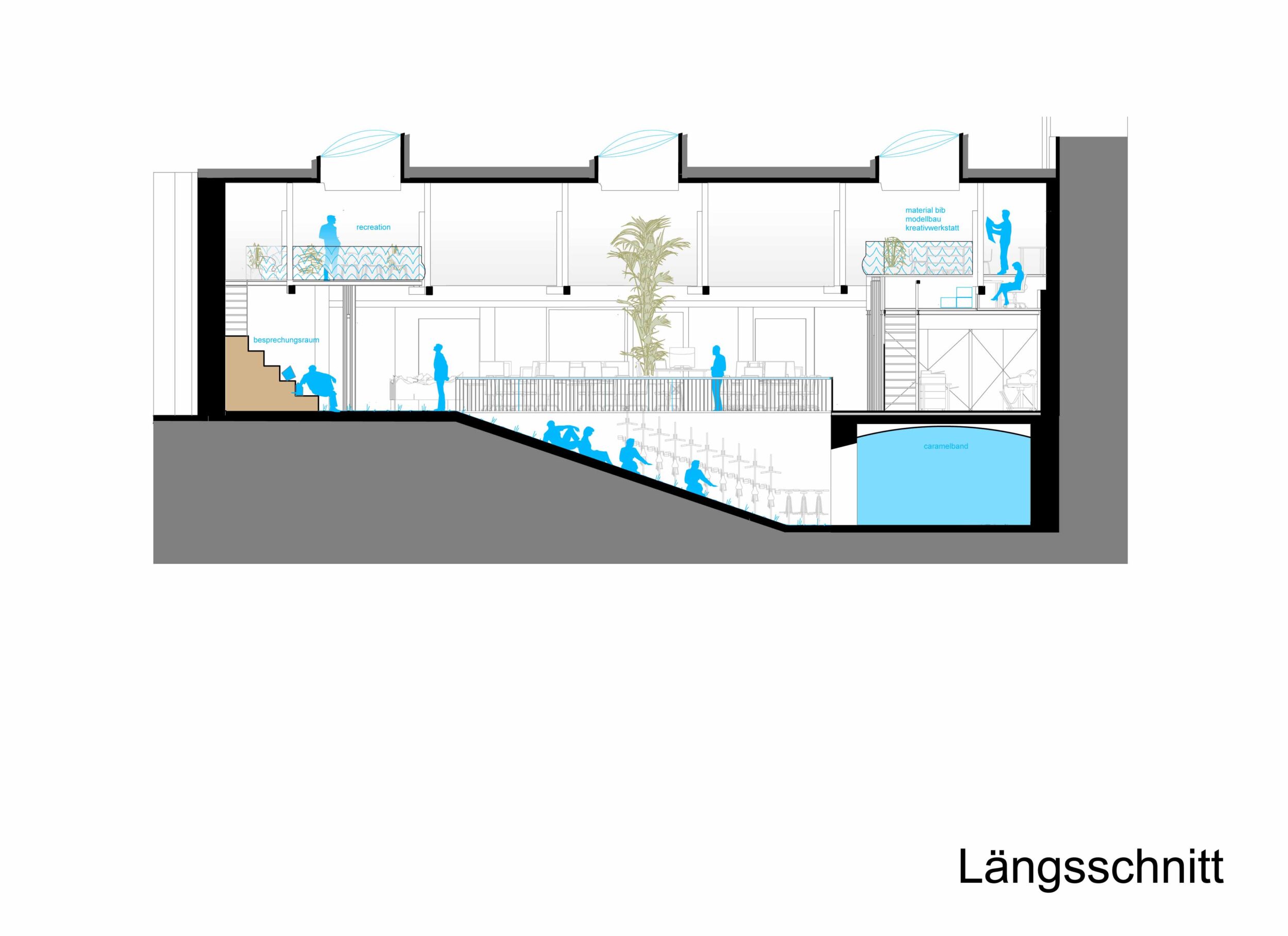
Today a replacement building from the 1930s stands there. Unusual is its barrel vault with a clear height of 6 metres and three generous skylights. Empty for decades, this volume is now to become a place for our new world of work. The challenge lies not only in the design but in how to deal with what is there. How do you create modern workspaces in a volume that dictates nothing?
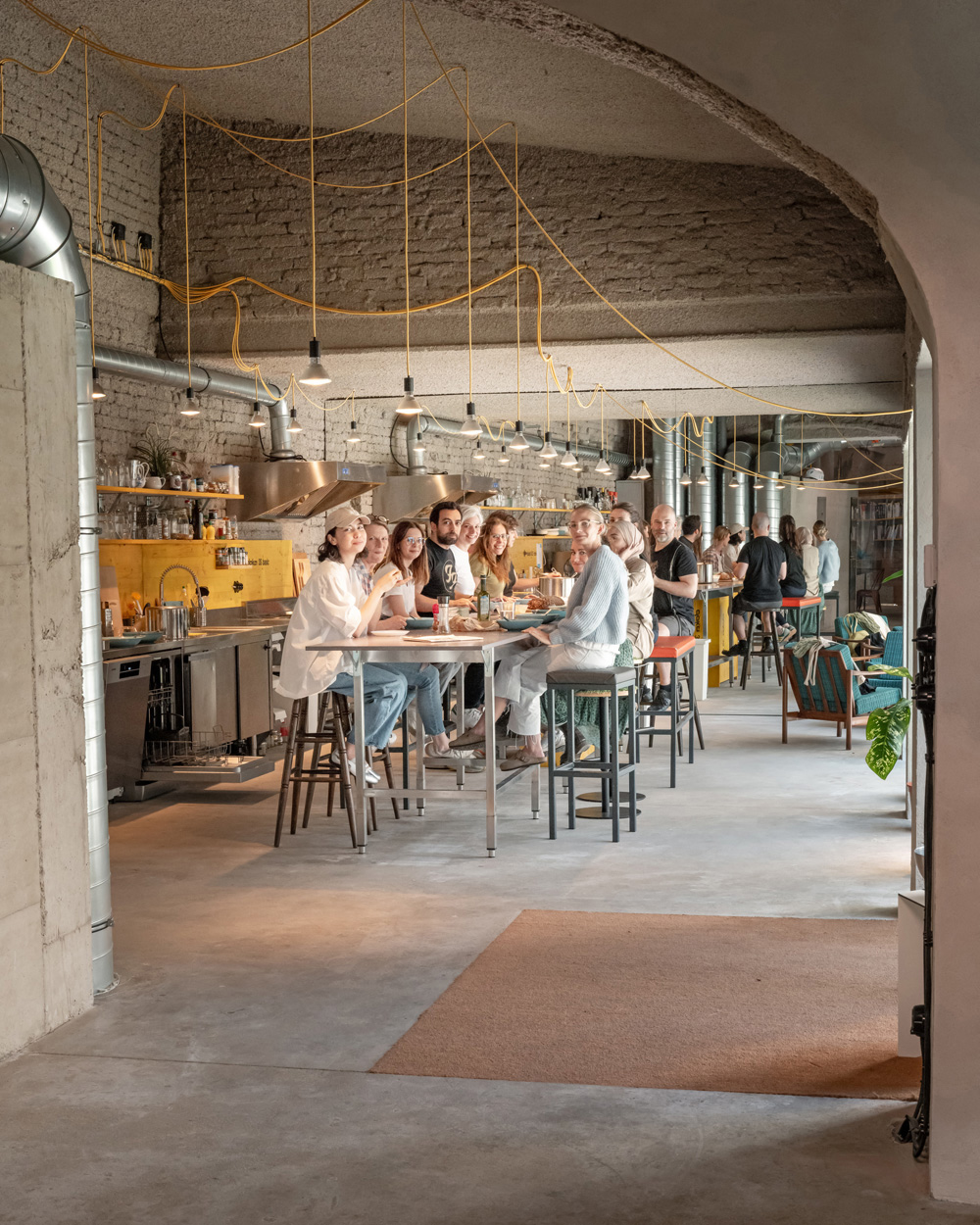
We start with questions: where do we work? Where do we meet, eat, think? Where can you withdraw, where do you run into each other? It soon becomes clear that there are two fundamentally different approaches. Do you leave the space open to feel its breadth? Or do you deliberately place a large volume in the middle to break up and structure the perception of the space?
The discussion leads on to the question of how we work together: how do we want to work? On Türkenstraße we were spread over two levels – connected acoustically and visually, but still separate. This time we deliberately choose the opposite: working together on one level, without hierarchies….
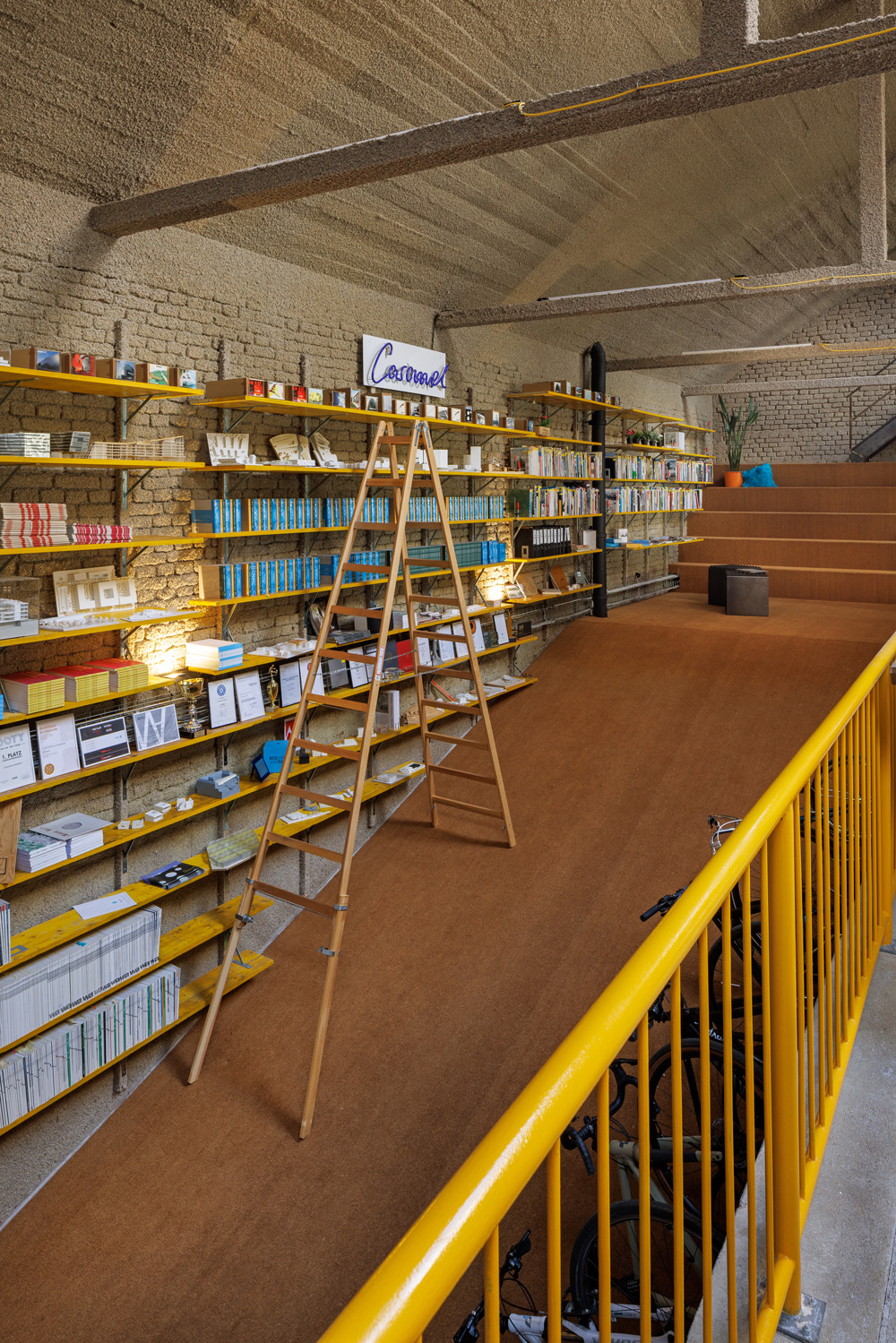
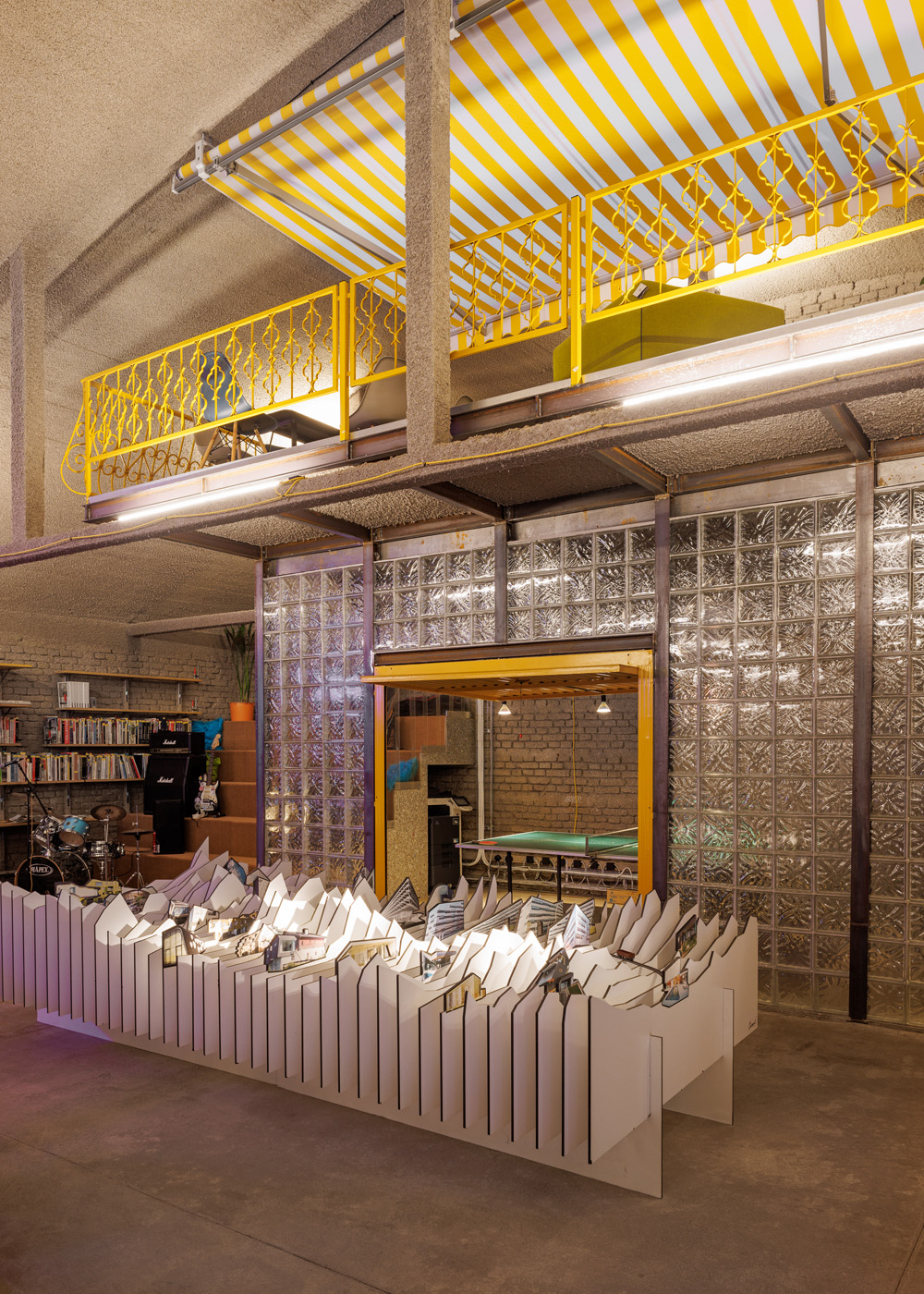
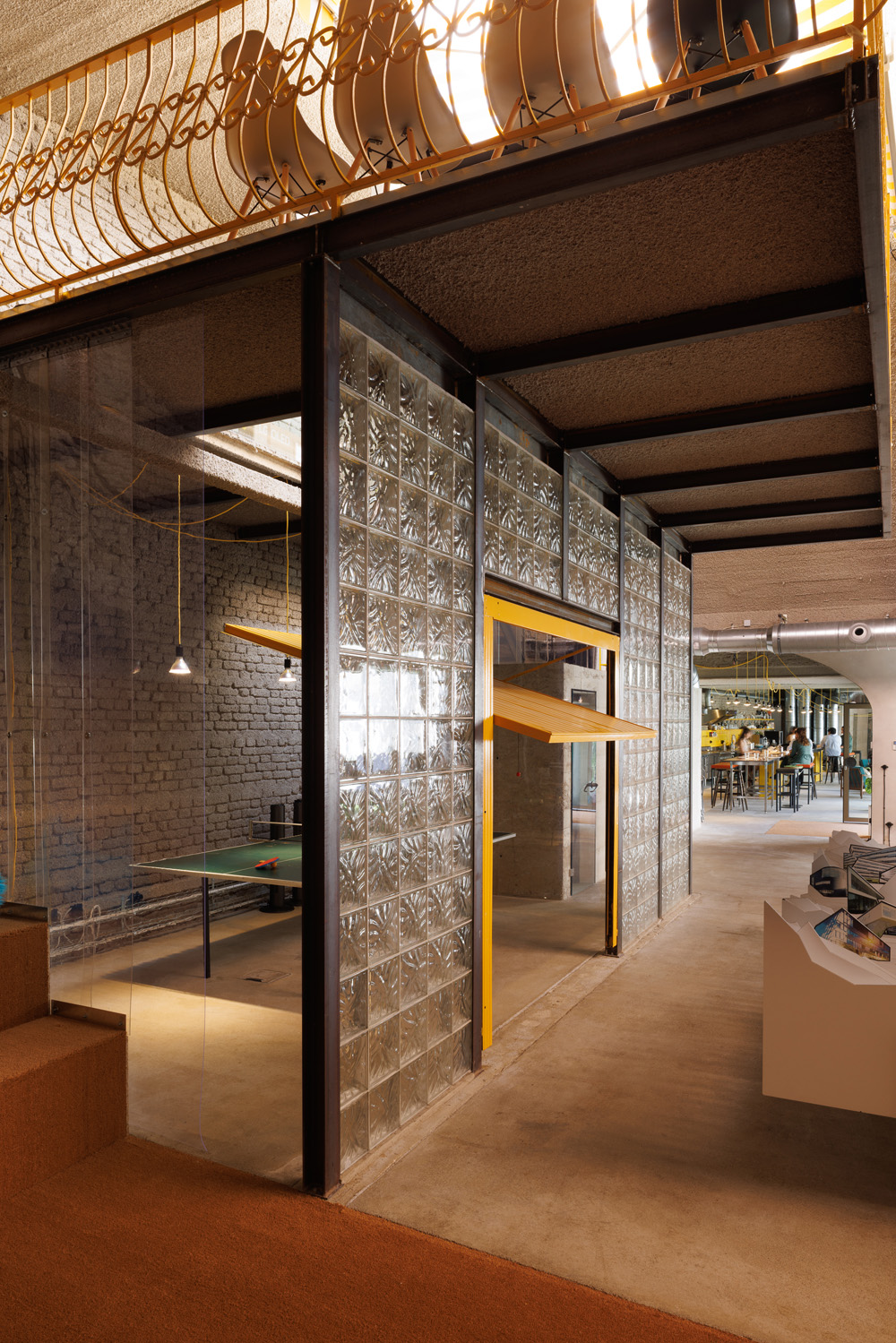
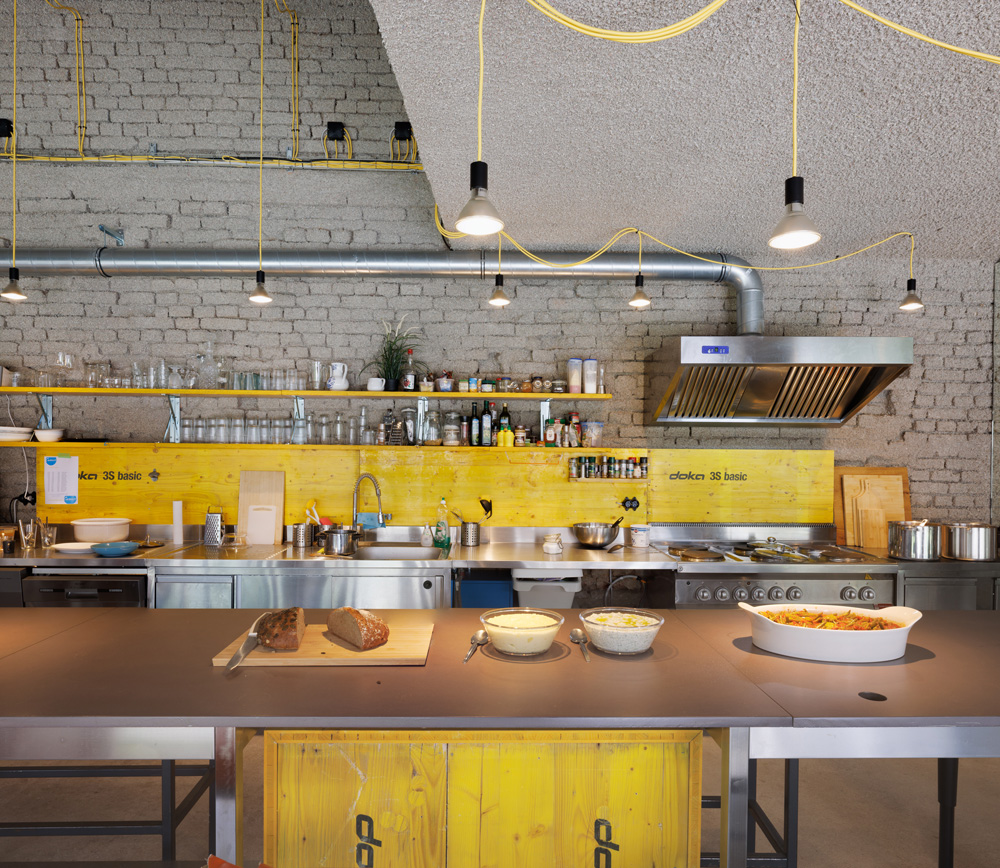
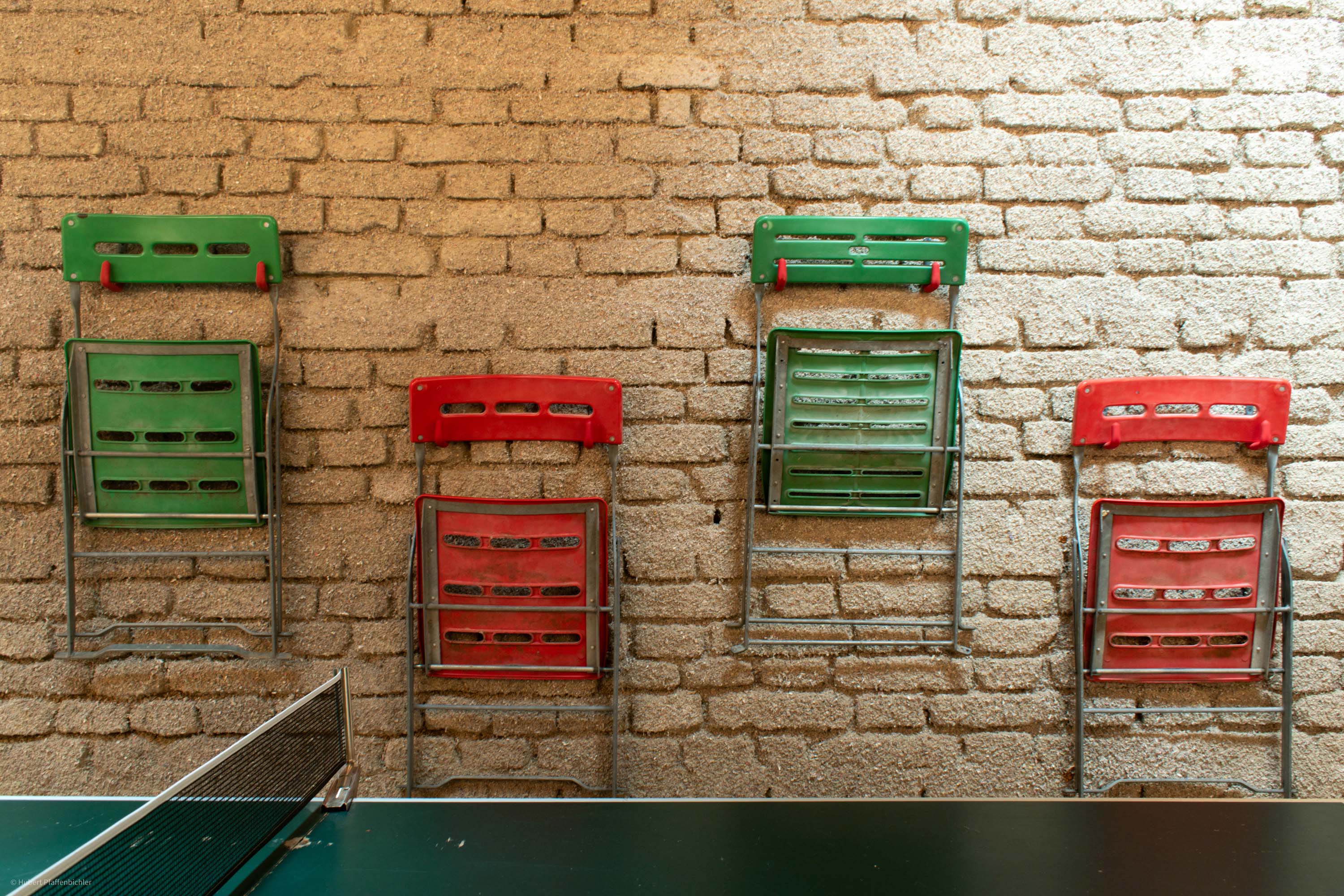
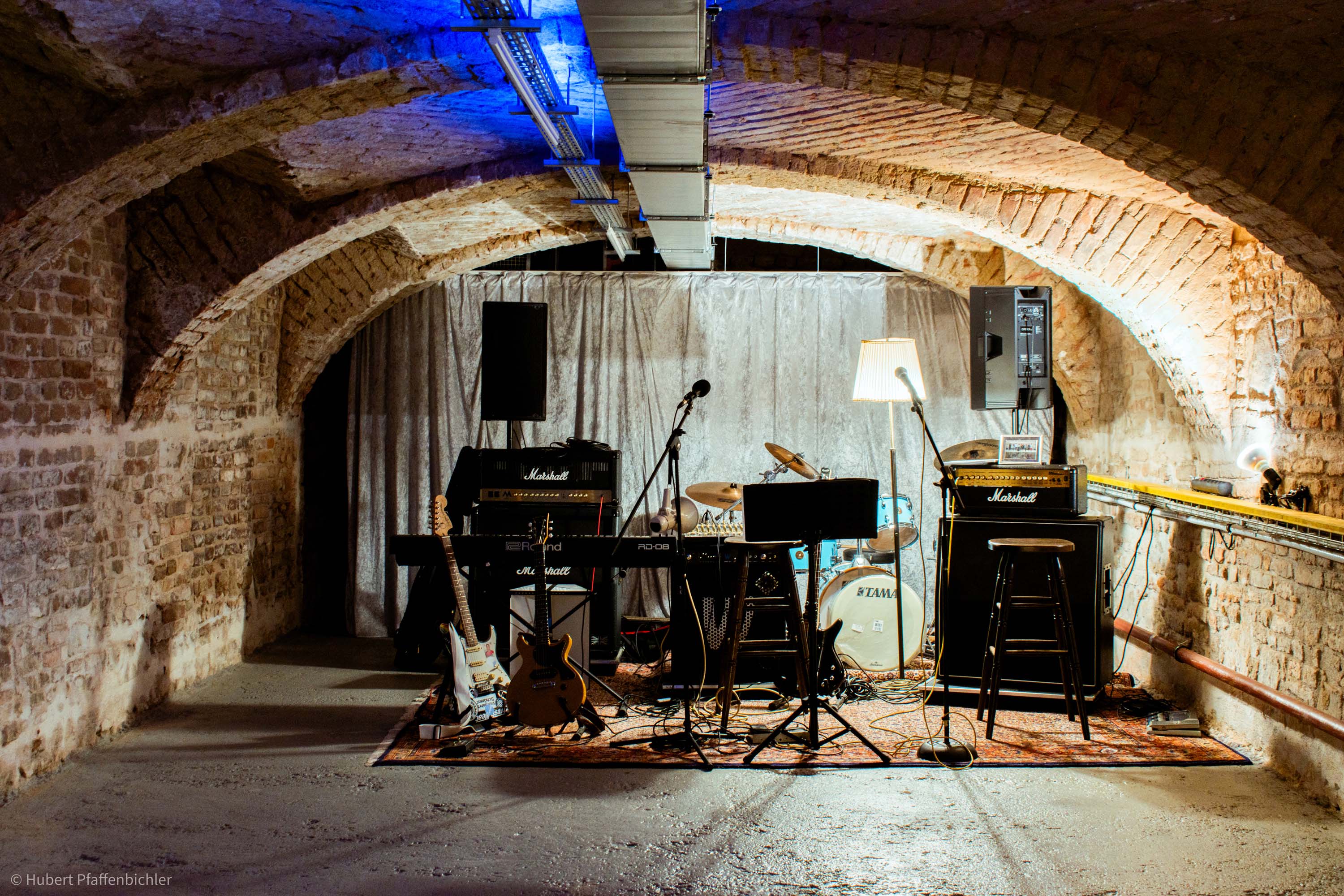
Curiosity about what already exists guides the planning and conversion, and also shapes how we deal with materials. Instead of relying exclusively on new, sustainable materials, we apply the principle of re-use. Not in the abstract, but very concretely: we work with what is there – and with what can be found.